
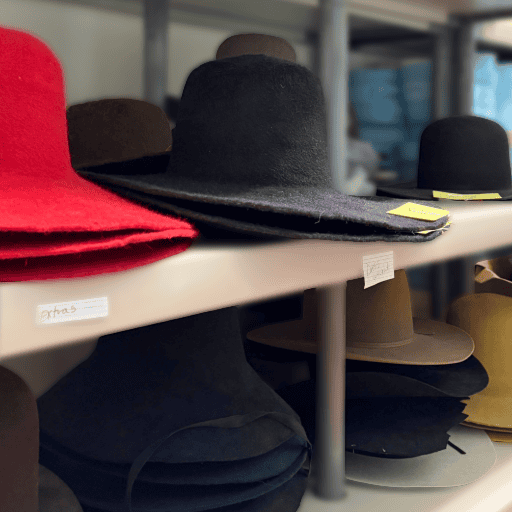
Most folks start with color.
Black, natural, brown—something that looks right to them.
That’s a good place to begin. But color in a felt hat doesn’t behave the way people expect. It shifts. It softens. It takes on character the more it’s worn.
What looks like a simple choice usually isn’t.
Color Isn’t Just Color
Felt isn’t flat like fabric or paint.
Even when the same dye is used:
• one hat may come out warmer
• another cooler
• one picks up light differently than the next
That comes down to:
• the felt itself
• how it’s finished
• how light hits the surface
It’s why two “natural” hats can look completely different side by side.
The Core Colors Most People Choose
Most hats that leave the shop fall into a few ranges:
Black
Clean. Direct. Dresses up easily. Holds a sharper presence.
Natural / Bone
Lighter, softer. Shows more variation. Tends to feel more relaxed.
Brown / Pecan / Whiskey
Sits in the middle. Warmer tones. Easy to wear day to day.
Grey / Silver Mist / Granite
More understated. Good balance between dress and work.
None of these are “better.” They just wear differently depending on the person and the use.
Camel
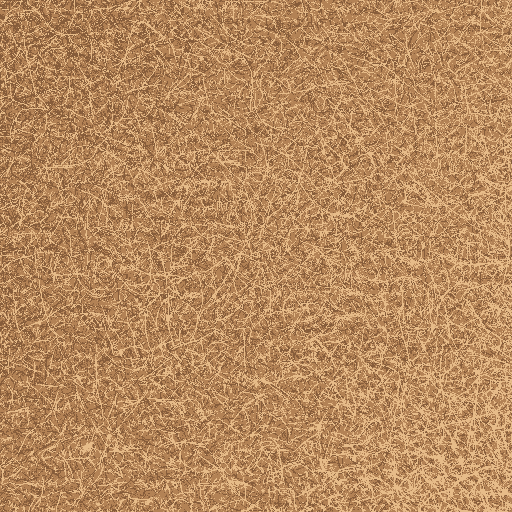
Rust
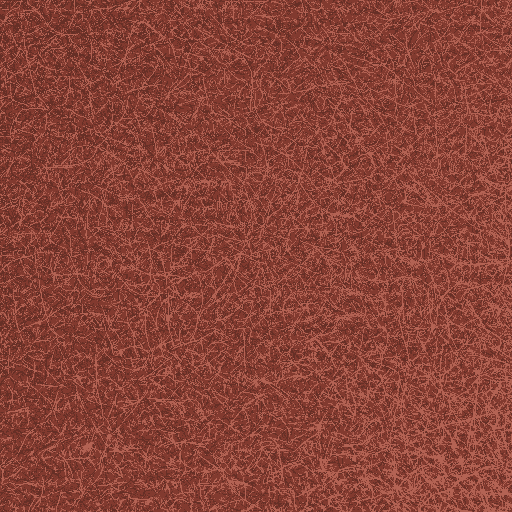
Sahara
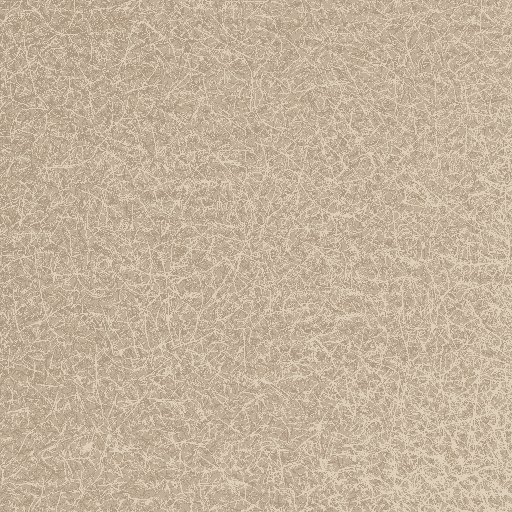
Natural
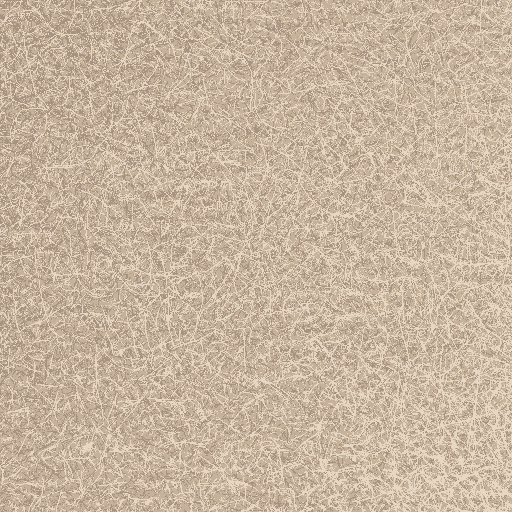
Silver Mist
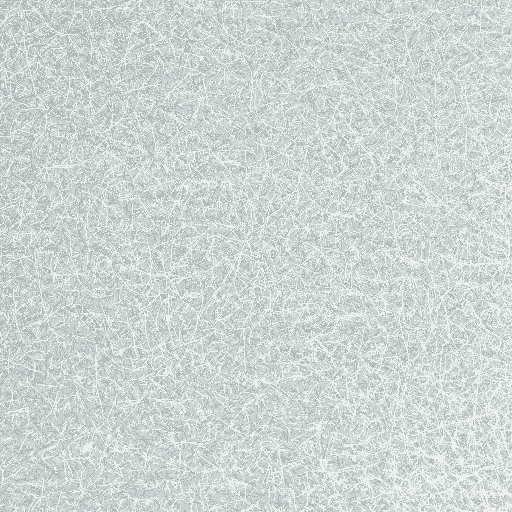
Whiskey
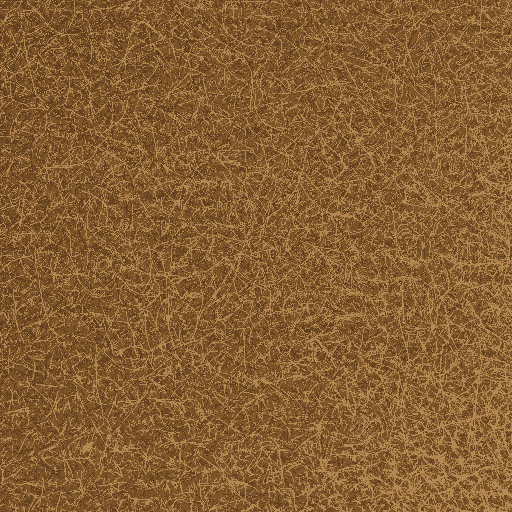
Sand

Black

Granite
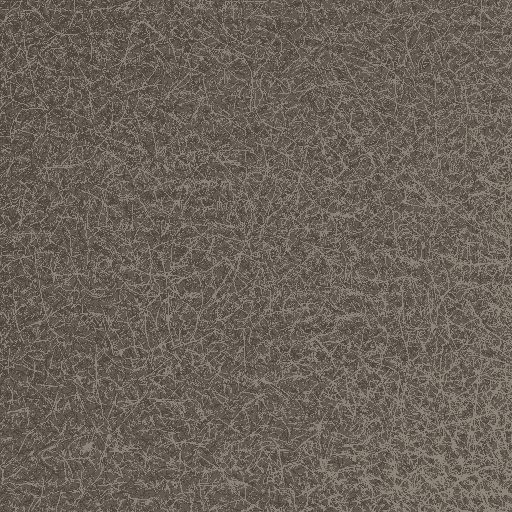
Pecan
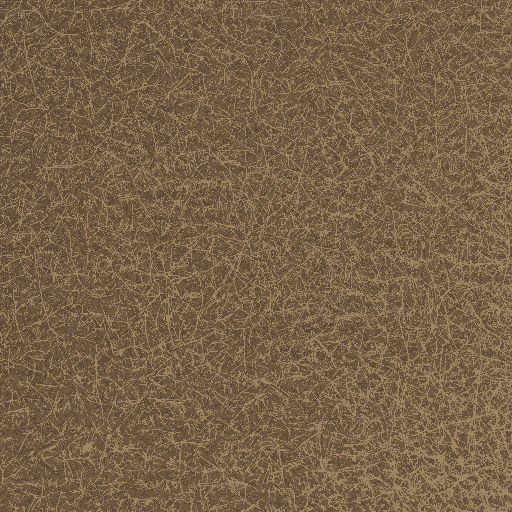
Steel
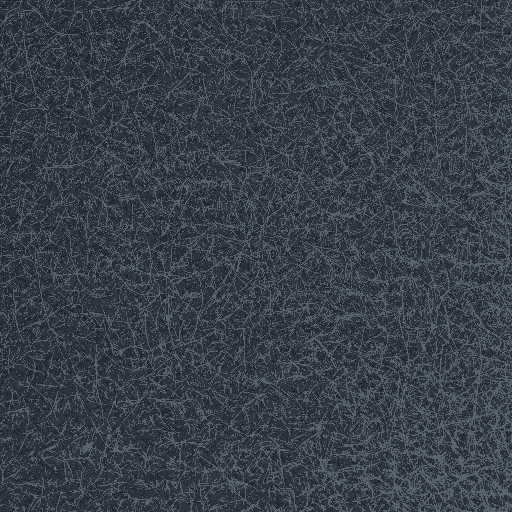
Bone

Brown
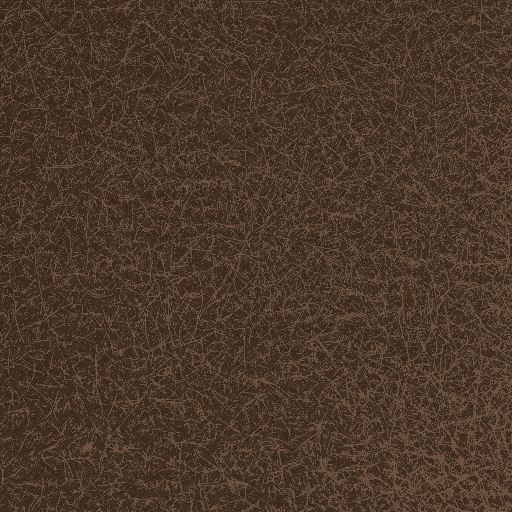
Charcoal
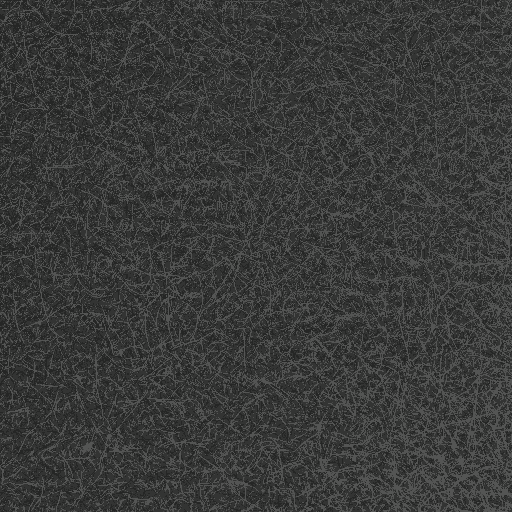
Willow
What Actually Matters When Choosing
A few things I usually look at:
Where the hat will be worn
Ranch, town, events—each one treats color differently
How often it’ll be used
Lighter colors show wear faster. Darker ones hold longer
What it’s worn with
Not to match perfectly—but to not fight everything else
How the person carries it
Some hats are meant to stand out. Others just settle in
Small Details Change Everything
The color isn’t the whole story.
Things like:
• a bound edge
• ribbon or buckle set
• brim finish
can shift how a color reads entirely.
A natural hat with a bound edge will feel more finished than the same hat left raw.
A black hat with the right band can soften or sharpen depending on the choice.
Why It’s Hard to Choose Online
You’re not doing anything wrong if you’re unsure.
Color is one of the hardest things to judge on a screen.
• lighting changes it
• screens shift it
• photos flatten it
That’s why we go through it in person when we can. You see it in real light, against your build, the way it’s actually going to be worn.